
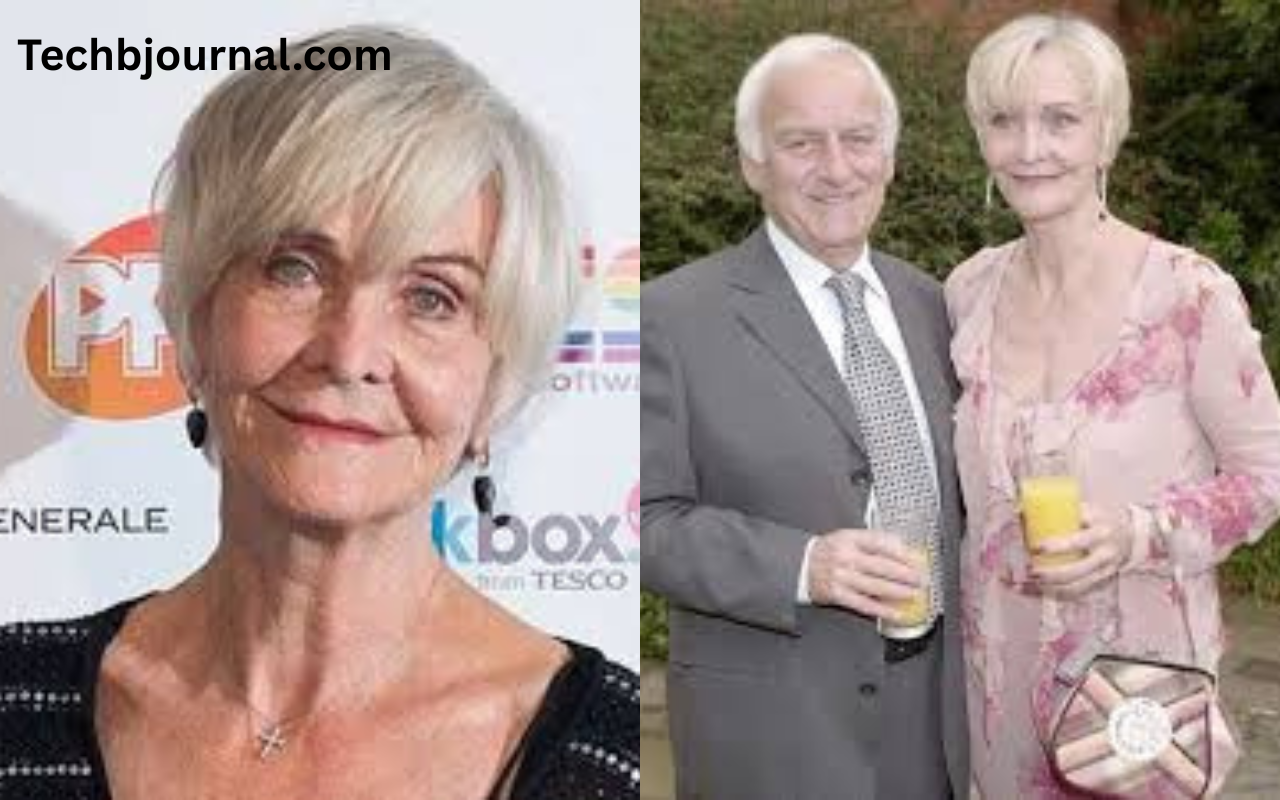
British television history has produced many unforgettable stars, but very few couples captured public admiration the way John Thaw and Sheila Hancock did. While John Thaw became famous around the world through iconic roles in Inspector Morse and The Sweeney, the woman beside him was already an accomplished actress, theatre performer, writer, and cultural figure in her own right. Sheila Hancock was never simply “John Thaw’s wife.” She was a powerful personality whose life story carried equal amounts of talent, heartbreak, resilience, and inspiration.
Table of Contents
ToggleFor decades, audiences admired the emotional depth of their relationship. Their marriage survived personal struggles, career pressures, illness, grief, and the harsh realities of public life. Yet what made their story truly remarkable was the honesty with which Sheila Hancock later shared it. Through interviews, memoirs, and public appearances, she revealed a deeply human portrait of love — not perfect or glamorous, but real, complicated, and enduring. Her openness helped millions connect with her on a personal level.
Today, Sheila Hancock remains one of Britain’s most respected actresses and authors. Even in her later years, she continues inspiring audiences with her wisdom, humor, emotional intelligence, and fearless honesty about aging, loneliness, and personal growth. Her journey stands as a powerful reminder that behind every legendary public figure is often another remarkable individual whose own story deserves equal recognition.
Quick Facts About Sheila Hancock
| Full Name | Sheila Cameron Hancock |
|---|---|
| Popularly Known As | Sheila Hancock |
| Profession | Actress, Singer, Author, Theatre Director |
| Date of Birth | February 22, 1933 |
| Age | 93 Years (as of 2026) |
| Birthplace | Blackgang, Isle of Wight, England |
| Nationality | British |
| Education | Royal Academy of Dramatic Art (RADA) |
| Famous For | Theatre, Television, Writing, Marriage to John Thaw |
| Husband | John Thaw (1973–2002) |
| First Husband | Alec Ross |
| Children | Melanie Hancock, Joanna Thaw |
| Stepdaughter | Abigail Thaw |
| Religion | Quaker |
| Net Worth | Estimated $3–5 Million |
| Years Active | 1953–Present |
| Notable Book | The Two of Us: My Life with John Thaw |
| Social Media Presence | No verified official accounts |
Early Life and Childhood of Sheila Hancock
Sheila Hancock was born on February 22, 1933, on the Isle of Wight in England during a difficult economic and political era. Her childhood unfolded against the backdrop of wartime Britain, which shaped much of her personality and worldview. Her father worked in the hospitality industry, and the family spent several years living above pubs. This environment exposed young Sheila to ordinary working-class people, lively conversations, humor, and the raw realities of life from an early age.
As a child, Hancock experienced both hardship and emotional instability. Britain during World War II was filled with uncertainty, rationing, evacuations, and financial stress. Despite these challenges, Sheila developed a strong imagination and a love for storytelling. She was naturally intelligent and academically gifted, which helped her secure opportunities that many girls from working-class families at the time could only dream about. Her upbringing taught her resilience, adaptability, and emotional toughness that later became visible in both her acting and personal life.
One of the most important turning points in her early years came when she entered the Royal Academy of Dramatic Art, commonly known as RADA. Entering such a prestigious institution was not easy for a working-class girl during the 1950s. Hancock later admitted that she initially felt uncomfortable among wealthier students with polished accents and upper-class backgrounds. However, instead of giving up, she worked relentlessly to improve her craft and eventually emerged as one of Britain’s finest performers.
Education and the Beginning of Her Acting Journey
Studying at RADA changed Sheila Hancock’s life forever. The academy gave her professional acting training, exposure to theatre culture, and opportunities to work alongside future stars of British entertainment. Although the environment sometimes made her feel socially excluded, Hancock refused to let insecurity destroy her ambitions. She understood that talent and persistence could eventually overcome class barriers in the entertainment world.
After graduating, Hancock entered the difficult world of repertory theatre. In those days, actors often traveled constantly, performing in small theatres around the country for low salaries and exhausting schedules. These experiences helped sharpen her acting abilities and taught her professional discipline. She performed every kind of role imaginable, from comedy to tragedy, learning how to connect emotionally with live audiences night after night. This period became the foundation upon which her future success was built.
The entertainment industry during the 1950s and early 1960s was highly competitive, especially for women without glamorous backgrounds. Hancock was often rejected for leading roles because producers considered her “too ordinary” compared to traditional actresses of that era. Yet this realism later became one of her greatest strengths. Audiences related to her because she felt authentic, approachable, and emotionally honest rather than distant or artificial.
Rise to Fame in British Television and Theatre
Sheila Hancock’s breakthrough arrived when she appeared in the BBC sitcom The Rag Trade, a television series that became hugely popular in Britain. The show focused on factory workers and everyday women, making it very different from the glamorous productions dominating television at the time. Hancock’s performance resonated strongly with viewers because she brought warmth, humor, and realism to her character. The series established her as a familiar face in British households.
Her success on television opened doors to larger theatre productions and prestigious stage performances. Hancock soon became associated with some of Britain’s most respected theatrical institutions, including the Royal Shakespeare Company and the National Theatre. She performed in productions such as Cabaret, Sweeney Todd, The Winter’s Tale, and Sister Act. Critics consistently praised her emotional range, comedic timing, and commanding stage presence.
Over time, Hancock built a reputation not only as an actress but also as a director and creative leader. She became one of the first women to direct productions at major British theatre companies, helping break gender barriers within the industry. Her influence extended beyond performance because she actively contributed to changing opportunities for women in theatre and television. Her achievements eventually earned her national recognition and deep respect within British culture.
How Sheila Hancock Met John Thaw
The story of Sheila Hancock and John Thaw began in 1969 while working together on the play So What About Love? At the time, Hancock was married to actor Alec Ross, while Thaw was navigating difficulties in his own personal life. Their connection initially developed through friendship and professional respect rather than romance. Both shared working-class roots, emotional intensity, and a deep passion for acting.
Hancock later admitted that she deliberately resisted becoming romantically involved with Thaw because she did not want to hurt her family or disrupt her daughter’s life. Despite this, their emotional bond continued growing stronger. Tragically, Hancock’s first husband Alec Ross died from oesophageal cancer in 1971. The loss devastated her emotionally and completely changed the direction of her life.
After a period of grief and healing, Sheila Hancock and John Thaw married on December 24, 1973. Their wedding symbolized not only a romantic union but also the blending of two families. Together, they created a home that included their daughters Melanie, Joanna, and Abigail. Their relationship would eventually become one of the most famous and emotionally compelling marriages in British entertainment history.
Marriage, Love, and Personal Struggles
Although many fans viewed John Thaw and Sheila Hancock as the perfect celebrity couple, their marriage was far more complex behind closed doors. Hancock later revealed that Thaw struggled deeply with depression, emotional trauma, and alcoholism. These problems created periods of tension, separation, and emotional pain within their relationship. However, their love for each other remained incredibly strong despite the difficulties they faced.
What made their story extraordinary was Hancock’s willingness to discuss these struggles honestly rather than pretending their marriage was flawless. In her memoir The Two of Us: My Life with John Thaw, she described the realities of living with someone battling addiction and emotional instability. Readers admired her courage because she showed marriage as something deeply human — filled with joy, anger, forgiveness, heartbreak, and loyalty.
As the years passed, Thaw reportedly overcame many of his drinking problems, and their relationship became calmer and more emotionally secure. Hancock later described their later years together as deeply loving and supportive. Sadly, just as their marriage entered a happier chapter, tragedy struck again when John Thaw was diagnosed with oesophageal cancer, the same disease that had killed Hancock’s first husband years earlier.
Family Life and Relationship with Their Children
Family always remained central to Sheila Hancock’s identity. Despite demanding acting schedules and public fame, she worked hard to maintain strong relationships with her children and stepdaughter. Her daughters Melanie and Joanna, along with stepdaughter Abigail Thaw, eventually pursued acting careers themselves, continuing the family’s connection to British entertainment.
Creating a blended family was not always simple, especially in the public eye. However, Hancock and Thaw shared a mutual understanding of emotional responsibility and parenthood. Friends often described their home life as passionate, intellectual, humorous, and sometimes chaotic. Their daughters grew up surrounded by creativity, literature, theatre discussions, and strong personalities.
Even after John Thaw’s death in 2002, Hancock remained deeply connected to her family. In interviews, she often speaks warmly about her children and grandchildren, describing them as sources of comfort and emotional support. Yet she also admits that widowhood created profound loneliness despite being surrounded by loved ones. Her honesty about grief has touched many readers and viewers around the world.
Sheila Hancock’s Writing Career and Memoirs
In addition to acting, Sheila Hancock became a highly respected author. Her books gained popularity because they combined emotional honesty, intelligence, humor, and thoughtful observations about life. Rather than writing superficial celebrity memoirs, Hancock explored complicated emotional experiences such as grief, marriage, aging, illness, and loneliness.
Her most famous work, The Two of Us: My Life with John Thaw, became widely praised after publication in 2004. The memoir alternated between the lives of Hancock and Thaw while also including diary entries written during his illness and death. The book offered an unusually intimate portrait of marriage and became deeply admired for its sincerity and emotional depth.
Hancock later continued writing books about widowhood, aging, and self-discovery. Titles such as Just Me and Old Rage demonstrated her ability to remain emotionally relevant across generations. Readers connected with her because she spoke openly about fear, depression, anxiety, and personal growth without sounding self-pitying or dramatic. Her writing style reflected the same authenticity that made her acting career so respected.
Health Challenges and Emotional Resilience
Life repeatedly tested Sheila Hancock through illness and loss. In 1988, she was diagnosed with breast cancer, a frightening experience that forced her to confront mortality directly. Fortunately, she recovered successfully after treatment, but the experience changed her emotionally and spiritually. It deepened her appreciation for life and influenced many of the themes she later explored in her books and interviews.
John Thaw’s cancer diagnosis years later brought another devastating emotional challenge. Hancock cared for him throughout his illness, remaining devoted to him until his death in February 2002. The tragedy felt especially painful because Thaw died just one day before Hancock’s birthday. Losing a second husband to the same disease created emotional wounds that she openly admitted never completely disappeared.
Despite overwhelming grief, Hancock refused to retreat completely from public life. She continued acting, writing, speaking publicly, and supporting charitable causes. Her resilience became one of the defining aspects of her reputation. Many people admire her not simply because she survived hardship, but because she transformed personal pain into wisdom, creativity, and compassion for others facing similar struggles.
Net Worth, Lifestyle, and Sources of Income
Sheila Hancock’s estimated net worth ranges between $3 million and $5 million, earned through decades of consistent work in theatre, television, film, directing, and publishing. Unlike many modern celebrities whose wealth depends heavily on sponsorships or social media, Hancock built her financial success gradually through artistic dedication and professional respect. Her long career provided both financial stability and cultural influence.
A significant portion of her income came from theatre productions, television appearances, film roles, book royalties, and public speaking engagements. Her memoirs became especially successful because readers connected strongly with her honesty and literary voice. She also benefited from the continuing popularity of projects connected to John Thaw, particularly Inspector Morse, which remains beloved internationally.
Despite her success, Hancock has generally maintained a relatively modest and private lifestyle. She has never been known for extravagant celebrity behavior or excessive public attention. Instead, she became respected for intelligence, authenticity, and professionalism. Her public image reflects dignity, emotional honesty, and artistic integrity rather than glamour or luxury.
Social Media Presence and Public Influence
Unlike younger celebrities, Sheila Hancock does not actively rely on social media platforms such as Instagram, TikTok, or Twitter for public attention. She belongs to a generation of performers who built their reputations through live performance, television appearances, journalism, and published writing rather than digital branding. Even so, clips from her interviews and performances continue circulating widely online among fans of British drama and theatre.
Her influence today comes primarily through her books, interviews, documentaries, and public discussions about aging, grief, mental health, and relationships. Younger audiences often discover her through discussions about John Thaw or classic British television, but many quickly become interested in her independent achievements and powerful storytelling abilities.
In recent years, Hancock has become especially admired for her honesty about loneliness and old age. She openly discusses the emotional difficulties of widowhood and living alone while still maintaining gratitude and humor. This emotional transparency has helped her remain relevant even in her nineties because audiences appreciate public figures who speak truthfully about life’s realities.
Recent Life, Legacy, and Continuing Inspiration
Even in her nineties, Sheila Hancock remains a respected voice in British culture. She continues participating in interviews, literary discussions, and occasional television appearances. Her reflections on modern society, emotional health, relationships, and aging continue attracting widespread public interest because they combine wisdom with honesty and humor.
Her legacy extends far beyond being John Thaw’s wife. Hancock helped break class barriers within British acting, supported opportunities for women in theatre directing, and demonstrated extraordinary courage in discussing grief and emotional vulnerability publicly. Her career proved that authenticity and emotional intelligence can create a lasting connection with audiences across generations.
Today, Sheila Hancock’s story inspires people because it reflects resilience in its truest form. She endured loss, illness, heartbreak, loneliness, and professional struggle while continuing to create meaningful work and maintain compassion for others. Her life reminds readers that strength is not about avoiding pain but learning how to continue living with purpose despite it.
Conclusion
The story of Sheila Hancock is ultimately a story about love, perseverance, honesty, and artistic passion. Although many people first search for her as “John Thaw’s wife,” they soon discover a remarkable woman whose achievements stand powerfully on their own. From her working-class childhood and difficult early acting years to her celebrated theatre career and deeply emotional memoirs, Hancock built a life filled with meaning, creativity, and courage.
Her marriage to John Thaw remains one of the most emotional love stories in British entertainment history because it was honest and imperfect rather than artificial. Together, they faced addiction, illness, fame, grief, and personal struggles while continuing to love each other deeply. Hancock’s willingness to share those experiences openly helped millions understand the complicated beauty of long-term relationships.
As Sheila Hancock continues inspiring audiences through her resilience, wisdom, and emotional truth, her legacy grows even stronger with time. Her journey reminds future generations that success is not only measured by fame or awards but also by the ability to remain compassionate, authentic, and courageous through every stage of life. Through her work, her words, and her extraordinary honesty, Sheila Hancock has created a legacy that will continue touching hearts for many years to come.