
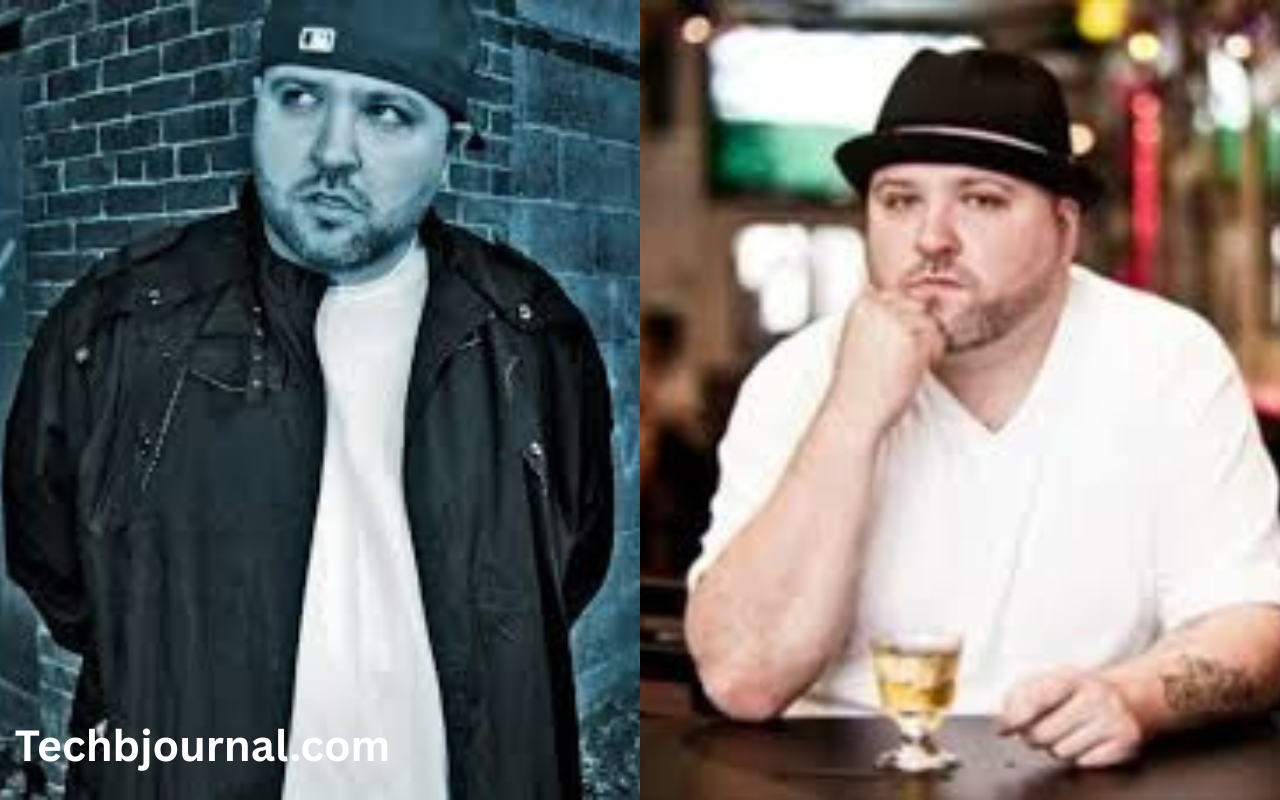
The underground hip-hop world has always respected artists who speak from real experience rather than manufactured image, and few rappers embody that authenticity more than Slaine. Known for his aggressive lyrical delivery, emotional storytelling, and deeply personal music, Slaine carved out a unique place in hardcore rap by turning pain, addiction, trauma, and survival into art. His songs feel raw because they come from lived experience, and that honesty helped him build one of the most loyal fan bases in underground hip-hop culture.
Born George Carroll in Boston, Massachusetts, Slaine’s journey is far more complex than the story of a rapper chasing fame. He grew up surrounded by working-class struggles, neighborhood violence, and emotional hardship, experiences that later became the foundation of his music. While many rappers focused on commercial appeal, Slaine built his reputation through realism, sharp lyricism, and emotionally charged storytelling. Fans connected with him because he never pretended to be perfect. Instead, he openly discussed addiction, depression, regret, and personal failure in ways that felt painfully honest.
Over the years, Slaine evolved from underground rapper to actor, entrepreneur, and recovery advocate. His career now stretches across music, film, and mental health activism, proving that reinvention is possible even after years of chaos and self-destruction. From performing with La Coka Nostra to appearing in Hollywood crime dramas and helping people battle addiction, Slaine’s story is one of resilience, transformation, and purpose.
Quick Facts About Slaine
| Full Name | George Carroll |
|---|---|
| Stage Name | Slaine |
| Date of Birth | September 27, 1977 |
| Age | 48 years old |
| Birthplace | Boston, Massachusetts, USA |
| Nationality | American |
| Profession | Rapper, Actor, Songwriter |
| Genres | Hardcore Hip-Hop, Underground Rap |
| Famous For | La Coka Nostra, gritty storytelling rap |
| Years Active | 2001–present |
| Groups | La Coka Nostra, Special Teamz |
| Children | One son |
| Estimated Net Worth | Around $2 million |
| Education | School of Visual Arts, New York |
| @slainesworld | |
| Slaine Official | |
| Known Movies | Gone Baby Gone, The Town, Killing Them Softly |
Early Life and Childhood in Boston
George Carroll was born and raised in Boston, Massachusetts, a city that would become central to both his identity and artistic style. His family frequently moved between neighborhoods like South Boston, Dorchester, and Roslindale, exposing him to different sides of Boston’s working-class culture. Those neighborhoods shaped his understanding of loyalty, survival, conflict, and community. Many of the vivid details in his lyrics come directly from those early experiences growing up in the city.
Unlike many artists who discover music later in life, Slaine became fascinated with rap as a child during hip-hop’s golden era. He was heavily influenced by legendary artists like LL Cool J, Beastie Boys, Kool Moe Dee, Nas, Wu-Tang Clan, and Mobb Deep. Their storytelling ability and lyrical aggression inspired him to start writing rhymes while still young. According to interviews and public discussions, he started crafting rap lyrics in the mid-1980s, long before he became professionally involved in music.
Despite his passion for hip-hop, Slaine originally dreamed of becoming a filmmaker rather than a rapper. He loved visual storytelling, movies, and creative art forms beyond music. Even as a teenager, he showed a strong interest in cinema and writing. That passion later helped him transition naturally into acting because he already understood storytelling structure, character emotion, and dramatic intensity. Looking back, his childhood experiences in Boston became the emotional fuel for nearly every chapter of his career.
Education and Artistic Development
In the mid-1990s, Slaine moved to New York City to study filmmaking at the School of Visual Arts in Manhattan. At the time, he believed cinema would become his primary career path. Moving from Boston to New York exposed him to an entirely different creative environment filled with artists, musicians, filmmakers, and underground performers trying to build careers in one of the world’s most competitive cities.
Although his time at the School of Visual Arts was relatively short, the experience had a lasting influence on him. Reports suggest that he eventually left the school after an altercation, but by then he had already immersed himself in New York’s underground hip-hop culture. Open mic nights, freestyle battles, underground clubs, and street performances became his new classroom. He sharpened his lyrical ability while performing for unpredictable crowds that demanded authenticity and skill.
During this period, he adopted the name “Slaine,” reportedly inspired by an Irish comic book character. The nickname reflected both his Irish-American background and the darker, more aggressive identity he was developing as an artist. New York helped refine his confidence, lyrical precision, and stage presence. Combined with his Boston roots, these experiences gave him a unique voice that stood out in underground rap scenes.
Entering Boston’s Underground Hip-Hop Scene
By the early 2000s, Slaine had become an increasingly recognizable figure in Boston’s underground hip-hop movement. His raw delivery and brutally honest storytelling quickly attracted attention. Unlike artists focused on mainstream radio success, Slaine embraced emotionally intense hardcore rap that reflected addiction, violence, broken relationships, and emotional struggle. His lyrics sounded more like diary entries than commercial songs, which made them deeply relatable to listeners dealing with their own hardships.
One of his earliest breakthroughs came through mixtapes and local performances. His 2005 mixtape The White Man Is the Devil, Vol. 1 gained strong attention in underground rap circles and helped establish him as one of Boston’s most promising lyricists. Around the same time, major local publications began describing him as a rising talent with significant mass appeal. His reputation grew rapidly because audiences recognized that his music came from genuine experience rather than manufactured street credibility.
Slaine also became part of the hip-hop group Special Teamz alongside Jaysaun and Ed O.G. Their collaborative album Stereotypez introduced him to wider underground audiences and helped solidify his standing within East Coast hip-hop culture. Fans appreciated the group’s lyrical skill, authenticity, and commitment to boom-bap-inspired hardcore rap. This stage of his career laid the groundwork for the larger opportunities that would soon arrive.
La Coka Nostra and Rise to International Recognition
A major turning point in Slaine’s career came when he joined the hip-hop supergroup La Coka Nostra. The group formed through connections with Danny Boy O’Connor and DJ Lethal from House of Pain, later adding Ill Bill and eventually Everlast. Their chemistry created one of underground hip-hop’s most respected hardcore rap collectives.
La Coka Nostra quickly built momentum through MySpace and underground mixtapes before releasing their debut album A Brand You Can Trust in 2009. The album gained strong praise for its aggressive lyricism, political themes, hardcore production, and emotionally dark atmosphere. Critics and fans admired the group’s commitment to authentic boom-bap rap during an era dominated by more commercial sounds. Slaine’s performances stood out because of his emotional intensity and vivid storytelling ability.
The group later released Masters of the Dark Arts and To Thine Own Self Be True, both of which further strengthened their reputation in underground hip-hop. Slaine became recognized internationally as one of hardcore rap’s most emotionally honest lyricists. Songs explored addiction, paranoia, violence, self-destruction, and survival with cinematic realism. His growing fan base admired not only his technical rap ability but also his willingness to expose vulnerability and pain in his music.
Solo Music Career and Signature Style
While La Coka Nostra brought him major recognition, Slaine’s solo career revealed his deepest artistic strengths. His albums often felt intensely personal, exploring mental health struggles, addiction, trauma, loneliness, and redemption in ways rarely heard in mainstream rap music. Unlike artists who hide emotional vulnerability, Slaine leaned into it completely.
His first major solo release, A World With No Skies, showcased his cinematic writing style and emotional depth. Songs like “99 Bottles” reflected themes of alcoholism, isolation, and self-destruction with haunting realism. The album helped establish him as more than just a hardcore rapper; he became known as a storyteller capable of blending emotional introspection with aggressive lyricism.
Later projects such as The Boston Project, The King of Everything Else, One Day, and The Things We Can’t Forgive demonstrated his artistic evolution. As he matured personally, his music became more reflective and spiritually aware. Themes of sobriety, accountability, fatherhood, healing, and emotional survival increasingly appeared throughout his work. His ability to balance darkness with hope made his catalog deeply meaningful to longtime fans.
Some of Slaine’s Most Recognized Projects:
- A World With No Skies
- The Boston Project
- The King of Everything Else
- Anti-Hero
- One Day
Acting Career and Hollywood Success
Slaine’s transition into acting surprised many people, but his natural screen presence made the shift remarkably successful. His first major acting opportunity came through Ben Affleck, who cast him in the crime drama Gone Baby Gone. Affleck reportedly discovered Slaine through a newspaper article about his music career and believed he had the perfect look and personality for the film’s gritty atmosphere.
Although Slaine had limited acting experience at the time, his performance as Bubba Rogowski impressed both audiences and filmmakers. His authentic Boston personality and intimidating energy made his scenes memorable. Affleck later cast him again in The Town, where he appeared alongside actors such as Jeremy Renner and Blake Lively.
Over time, Slaine developed a strong reputation for gritty crime roles and psychologically intense characters. His acting credits expanded to include films like Killing Them Softly, Wheelman, By the Gun, and Girl House. Directors often praised his realism because he brought emotional authenticity and lived experience into his performances. Unlike many musicians who struggle in Hollywood, Slaine earned respect as a serious actor capable of delivering believable performances.
Addiction, Recovery, and Personal Transformation
One of the most inspiring parts of Slaine’s story is his battle with addiction and eventual recovery. For years, alcoholism and substance abuse consumed much of his personal and professional life. Even while achieving success in music and film, he struggled privately with destructive habits that threatened his future. His music often reflected that chaos because he was living through it in real time.
In March 2014, Slaine finally became sober after years of addiction. According to interviews and public statements, fear of losing his son became one of the major reasons he committed to recovery. Sobriety transformed not only his health but also his emotional outlook, discipline, and relationships. Fans noticed that his later music carried more reflection, wisdom, and emotional clarity.
Recovery eventually inspired him to help others struggling with addiction. In 2022, he became involved in opening Charles River Recovery, a treatment center focused on helping people suffering from alcoholism and substance abuse. Later, he expanded his involvement in behavioral health initiatives. His transformation from self-destructive artist to recovery advocate became one of the most meaningful chapters of his life.
Important Lessons From Slaine’s Recovery Journey:
- Accountability can change a life
- Creativity and healing can exist together
- Sobriety does not destroy artistry
- Personal growth requires honesty
Personal Life and Relationships
Although Slaine speaks openly about addiction and emotional struggle, he tends to keep much of his private life away from public attention. Unlike many celebrities who constantly share personal relationships online, he maintains a relatively private lifestyle focused on family, recovery, creativity, and business development.
Fatherhood has played an especially important role in shaping his identity. He has publicly discussed how becoming a better father motivated him to pursue sobriety and emotional growth. Many fans admire the way he speaks honestly about responsibility, regret, and self-improvement without pretending to be perfect.
Outside music and acting, Slaine enjoys storytelling, fitness, writing, and helping people navigate recovery. Over the years, audiences have watched him evolve from an angry underground rapper into a thoughtful entrepreneur and mentor figure. That personal evolution has strengthened the emotional connection between Slaine and his audience.
Net Worth, Business Ventures, and Income Sources
Slaine’s estimated net worth is believed to be around $2 million, though exact figures vary depending on sources. His income comes from several professional areas, including music sales, streaming royalties, acting projects, merchandise, touring, and business ventures related to addiction recovery and behavioral health.
Unlike artists who rely only on record sales, Slaine diversified his career over time. His acting roles in Hollywood films significantly expanded his visibility and financial opportunities. Meanwhile, his loyal underground fan base continues supporting his music through concerts, streaming platforms, vinyl releases, and merchandise purchases.
His involvement in treatment facilities and recovery-related businesses has also become an important part of his professional identity. Rather than simply discussing recovery publicly, he actively works in spaces focused on helping people rebuild their lives. That commitment has added depth and purpose to his career beyond entertainment.
Social Media Presence and Fan Interaction
Slaine uses social media differently than many modern celebrities. Instead of constantly chasing viral trends or controversy, he often shares thoughtful reflections about recovery, mental health, music, discipline, and personal growth. His Instagram account, @slainesworld, gives fans insight into both his professional and personal journey.
Fans appreciate that his online presence feels authentic rather than overly polished. He regularly posts updates about new music, film appearances, recovery advocacy, interviews, and live performances. Many followers connect deeply with his motivational messages because they come from genuine life experience rather than generic inspiration.
Social media has also allowed Slaine to maintain strong relationships with longtime supporters. Whether discussing sobriety, creativity, or emotional healing, he communicates with fans in a direct and honest way that reflects the same authenticity present in his music.
Recent Career Updates and Future Goals
In recent years, Slaine has continued balancing multiple careers at once. He remains active in music, acting, entrepreneurship, and recovery advocacy while continuing to evolve creatively. His newer work reflects emotional maturity and a stronger focus on healing, responsibility, and self-awareness.
Fans still eagerly follow his music releases because his storytelling style remains unique within modern hip-hop. While mainstream rap trends continue changing, Slaine has stayed committed to emotionally honest lyricism and hardcore boom-bap culture. That consistency helped preserve his credibility over decades in the entertainment industry.
Looking ahead, Slaine appears focused on creating meaningful impact beyond fame. His involvement in addiction treatment and behavioral health suggests that helping others may become just as important to him as music and acting. For many supporters, that evolution represents the most inspiring part of his journey.
Conclusion
Slaine has lived through chaos, addiction, fame, recovery, and reinvention while remaining fiercely authentic throughout every chapter of his life. From Boston’s underground rap scene to Hollywood crime dramas and recovery advocacy, his journey reflects the complicated reality behind success and survival. His music resonates because it comes from genuine experience, emotional honesty, and hard-earned wisdom.
What separates Slaine from many artists is his willingness to confront pain directly rather than hide it. He transformed addiction, trauma, failure, and emotional struggle into powerful art that connected deeply with listeners around the world. Over time, he also proved that growth is possible, even after years of self-destruction and personal chaos.
As Slaine continues building music, businesses, and recovery programs that impact lives, his story stands as a reminder that resilience, honesty, and purpose can shape a meaningful legacy. His life encourages people to keep fighting through darkness, embrace accountability, and believe in the possibility of transformation no matter how difficult the journey becomes.