
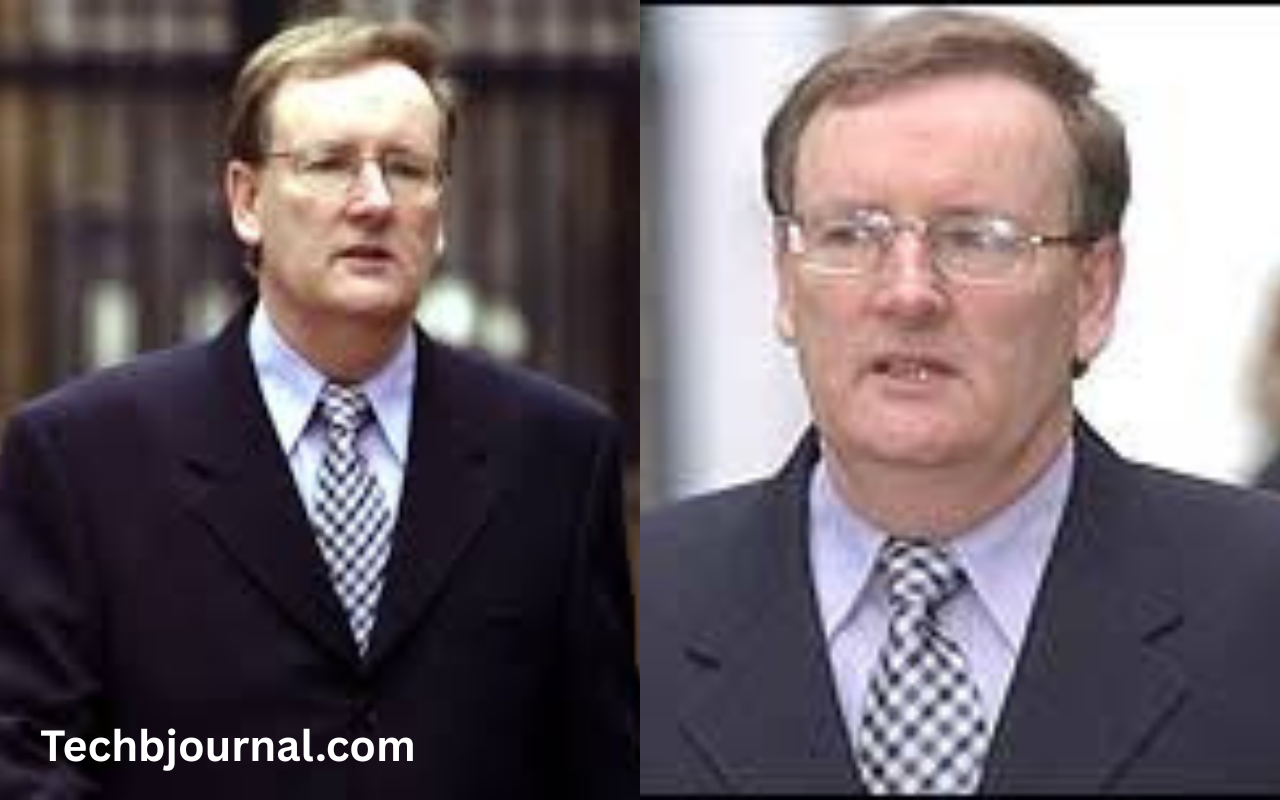
Introduction
Some people become famous because of extraordinary achievements, while others become known because of a single moment that changes their entire life forever. Tecwen Whittock belongs to the second group. His name became widely recognized across the United Kingdom after he was linked to one of the biggest television controversies in British history—the famous Who Wants to Be a Millionaire? coughing scandal.
Table of Contents
ToggleBefore the headlines, before the court case, and before the media attention, Tecwen Whittock was a respected college lecturer from Cardiff with a strong academic background and a passion for quiz competitions. He was known in educational circles for teaching business studies and in quiz circles for his love of knowledge and competitive television game shows. His life was stable, professional, and largely private.
Everything changed when he appeared on the ITV quiz show and later became involved in the legal case surrounding Major Charles Ingram’s £1 million win. His story is not only about controversy—it is also about reputation, public judgment, and how one event can define a person for decades. Even years later, his name remains strongly connected to one of Britain’s most unforgettable TV moments.
Tecwen Whittock Quick Facts
| Field | Details |
|---|---|
| Full Name | Tecwen Whittock |
| Date of Birth | 21 April 1951 |
| Age | 75 years old (as of 2026) |
| Birthplace | United Kingdom |
| Hometown | Cardiff, Wales |
| Nationality | British |
| Profession | Former Lecturer, Quiz Show Contestant |
| Known For | Who Wants to Be a Millionaire? coughing scandal |
| Former Workplace | Pontypridd College |
| Field of Teaching | Business Studies |
| Parents | Not publicly disclosed |
| Siblings | Not publicly disclosed |
| Marital Status | Private |
| Net Worth | Estimated £200,000–£500,000 |
| Famous TV Appearance | Who Wants to Be a Millionaire? |
| Social Media | No verified public accounts |
Early Life and Background
Tecwen Whittock was born on 21 April 1951 and grew up in Wales, with Cardiff being closely associated with his personal and professional life. Unlike celebrities who grow up in the spotlight, his early years remained private and away from media attention. There is very little publicly available information about his parents, siblings, or childhood experiences, which suggests he lived a fairly ordinary and quiet early life.
His upbringing appears to have been rooted in education, discipline, and intellectual development. Those who later followed his story often noted how naturally he fit into academic life. His calm personality and strong general knowledge made him stand out as someone who valued learning more than fame. This would later become important when he entered the world of television quiz shows.
Before controversy entered his life, he was simply known as a lecturer and quiz enthusiast. His early environment likely shaped his analytical mindset and love for structured thinking. These qualities later made him both successful in education and comfortable in high-pressure quiz competitions.
Education and Academic Career
Education played a central role in Tecwen Whittock’s life. He built his professional reputation not in entertainment, but in classrooms and colleges. He worked as a lecturer in business studies and eventually became head of the business studies department at Pontypridd College in South Wales, a role that required both expertise and leadership.
Teaching business studies involves more than theory. It requires practical communication, mentorship, and the ability to prepare students for real-world careers. This role made him a respected figure in the academic community. Students and colleagues knew him as an educator, not as a public personality. His professional identity was built on credibility and responsibility.
This is what made the later scandal so shocking to many people. Seeing a lecturer involved in a major television fraud case felt unexpected and dramatic. After the legal case, reports suggested that he gave up his position at the college, marking a major turning point in his career and public image.
Love for Quiz Shows and Television Appearances
Long before Who Wants to Be a Millionaire?, Tecwen Whittock was already known in quiz show circles. He had a strong passion for knowledge competitions and appeared on several British quiz programs, including Sale of the Century, Fifteen to One, The People Versus, and Brain of Britain. This showed that his interest in quizzes was genuine and long-standing.
Unlike casual contestants, he was someone deeply involved in the quiz world. These appearances helped him gain experience in handling pressure, thinking quickly, and performing in front of cameras. For many quiz lovers in the UK, appearing on multiple major shows is a sign of serious dedication and intelligence.
His repeated participation suggests he enjoyed not just winning money, but also the challenge of testing his knowledge. This passion naturally led him to Who Wants to Be a Millionaire?, the biggest quiz show platform in Britain at the time. It was supposed to be another exciting quiz experience—but it became the moment that changed everything.
Who Wants to Be a Millionaire Appearance
In September 2001, Tecwen Whittock appeared on the UK version of Who Wants to Be a Millionaire?, hosted by Chris Tarrant. He first participated in Fastest Finger First and successfully made it into the famous hot seat. For many quiz contestants, reaching that stage was already a major achievement.
He answered the early questions successfully and continued building momentum. However, his run stopped at the £8,000 question: “In Greek cookery, what are keftedes?” After using both his Phone-a-Friend and 50:50 lifelines, he selected “sweet pastries.” Unfortunately, the correct answer was “meatballs,” and he dropped back to £1,000.
At that moment, it seemed like a normal game show result. Many contestants leave early, and nothing about his own performance seemed extraordinary. But because of what happened around another contestant—Major Charles Ingram—his appearance would later become part of one of the most famous television investigations in British history.
The Charles Ingram Coughing Scandal
The event that permanently attached Tecwen Whittock’s name to British television history was the Charles Ingram cheating scandal. Major Charles Ingram appeared on the same show and seemed to win the full £1 million prize. However, producers noticed suspicious behavior during filming, especially repeated coughing from the audience whenever the correct answer was spoken aloud.
Investigators believed those coughs were signals. Tecwen Whittock was accused of being the person responsible for many of them. Prosecutors argued that he strategically coughed to guide Ingram toward correct answers, while Diana Ingram, Charles’s wife, was also accused of helping. The production team reviewed the footage and connected the coughing pattern to answer changes.
The case quickly became national news. It was no longer just a quiz show issue—it became a legal matter involving fraud, deception, and public trust. Because the show was one of the most popular on British television, the scandal drew enormous attention and turned all three individuals into household names.
Trial, Defense, and Conviction
Tecwen Whittock strongly denied deliberately helping Charles Ingram cheat. His main defense was that he suffered from a genuine chronic cough caused by hay fever, dust allergies, and asthma-related symptoms. Medical experts even testified that his cough could be explained by health conditions and that concentration during his own turn in the hot seat could naturally reduce coughing.
Despite the defense, prosecutors argued that the coughing pattern was too suspicious to be accidental. They pointed out that the coughs seemed to happen at key answer moments and became far less noticeable when Whittock himself became the contestant. This became one of the strongest arguments against him during the trial.
In April 2003, the jury found Tecwen Whittock guilty alongside Charles and Diana Ingram. He received a 12-month suspended prison sentence, while the Ingrams each received 18-month suspended sentences. He was also fined, and the case became permanently associated with his public identity.
Media Fame and Public Attention
After the conviction, Tecwen Whittock became unexpectedly famous across Britain—not as a lecturer, but as “the man with the famous cough.” Newspapers, television reports, documentaries, and public discussions repeatedly mentioned his name whenever the scandal was discussed.
The media attention became so strong that even businesses tried to use his name for publicity. One company attempted to launch a cough medicine called “Tecwen Relief,” using the scandal as a marketing joke. In response, Whittock registered his own name as a trademark to stop others from using it commercially without permission. He publicly explained that he wanted to protect his identity rather than profit from it.
This unusual chapter showed how deeply the scandal had entered British popular culture. His story became more than a court case—it became a lasting cultural reference. Even people who never watched the original episode recognized the name because of the controversy.
Personal Life and Private Nature
Unlike many public figures, Tecwen Whittock has kept his personal life extremely private. There is little confirmed information about his marriage, children, or close family relationships. Even during the height of media attention, most public discussion focused on the case rather than his private world.
This privacy may reflect his personality. He was never someone seeking celebrity status. His life before fame was built around teaching, learning, and intellectual competition, not entertainment culture. The sudden attention likely felt more like disruption than opportunity.
His quiet approach after the trial suggests he preferred distance from the spotlight. Rather than becoming a regular television personality, he stepped away from public visibility. This decision likely helped him preserve some normalcy after years of unwanted attention.
Net Worth and Income Sources
Tecwen Whittock’s exact financial position has never been officially confirmed, but estimates generally place his net worth between £200,000 and £500,000. Since he spent much of his career in education, his main income originally came from his role as a college lecturer and department head.
After the trial, reports suggested he explored opportunities such as public speaking, interviews, and possibly writing about his experience. His unusual fame created short-term public interest, which may have provided some media-related income. However, unlike celebrities with endorsements or entertainment careers, his earnings remained relatively modest.
There were also reports that he sold his home and stepped away from his teaching position following the case, showing how expensive and life-changing the legal battle became. His financial story reflects consequence more than luxury, and his public image was never built around wealth.
Social Media and Public Presence Today
Tecwen Whittock does not appear to have verified public profiles on Instagram, X (formerly Twitter), Facebook, or LinkedIn. Unlike modern public personalities who build brands online, his story belongs to an earlier media era where newspapers and television shaped public reputation.
Most people who learn about him today discover his story through documentaries, articles, and the ITV drama Quiz. In that dramatization, actor Michael Jibson portrayed Whittock, bringing the story back into public conversation for a younger audience.
His lack of social media presence may be intentional. Given the nature of his fame, staying away from constant online discussion may have been the most comfortable and peaceful choice. Privacy often becomes valuable after years of intense public scrutiny.
Legacy and Lasting Public Memory
Even decades later, the Who Wants to Be a Millionaire? cheating scandal remains one of the most famous moments in British television history. Whenever the story is revisited, Tecwen Whittock’s name returns to public attention. His role in the case continues to fascinate audiences because it combined suspense, celebrity, law, and television drama.
The ITV drama Quiz introduced the scandal to a new generation and reminded viewers how unusual and dramatic the real story was. For some, Whittock remains a controversial figure; for others, he is remembered as someone whose life was permanently shaped by public judgment and a single accusation.
Whatever perspective people take, his place in TV history is secure. Few lecturers ever become part of national entertainment history, and fewer still are remembered decades later for one defining event. His legacy is complex, debated, and impossible to ignore.
Conclusion
Tecwen Whittock’s story is one of the most unusual biographies connected to British television. From respected college lecturer and quiz enthusiast to one of the most talked-about figures in a national scandal, his life changed in ways few could imagine. His journey reminds us how quickly public identity can shift and how one moment can shape an entire legacy.
Beyond the headlines, he was a teacher, an intellectual, and someone with a genuine love for learning and competition. While controversy overshadowed much of his public image, it should not erase the years of professional dedication that came before it. His life reflects both achievement and consequence.
As Tecwen Whittock’s story continues to be discussed, it stands as a reminder that reputation can be built over decades and challenged in a single night. His journey teaches us about accountability, resilience, and the lasting impact of public memory. As Tecwen Whittock’s legacy continues to be revisited, his story stands as a reminder of how resilience and consequence can shape a meaningful and unforgettable place in history.