
Introduction
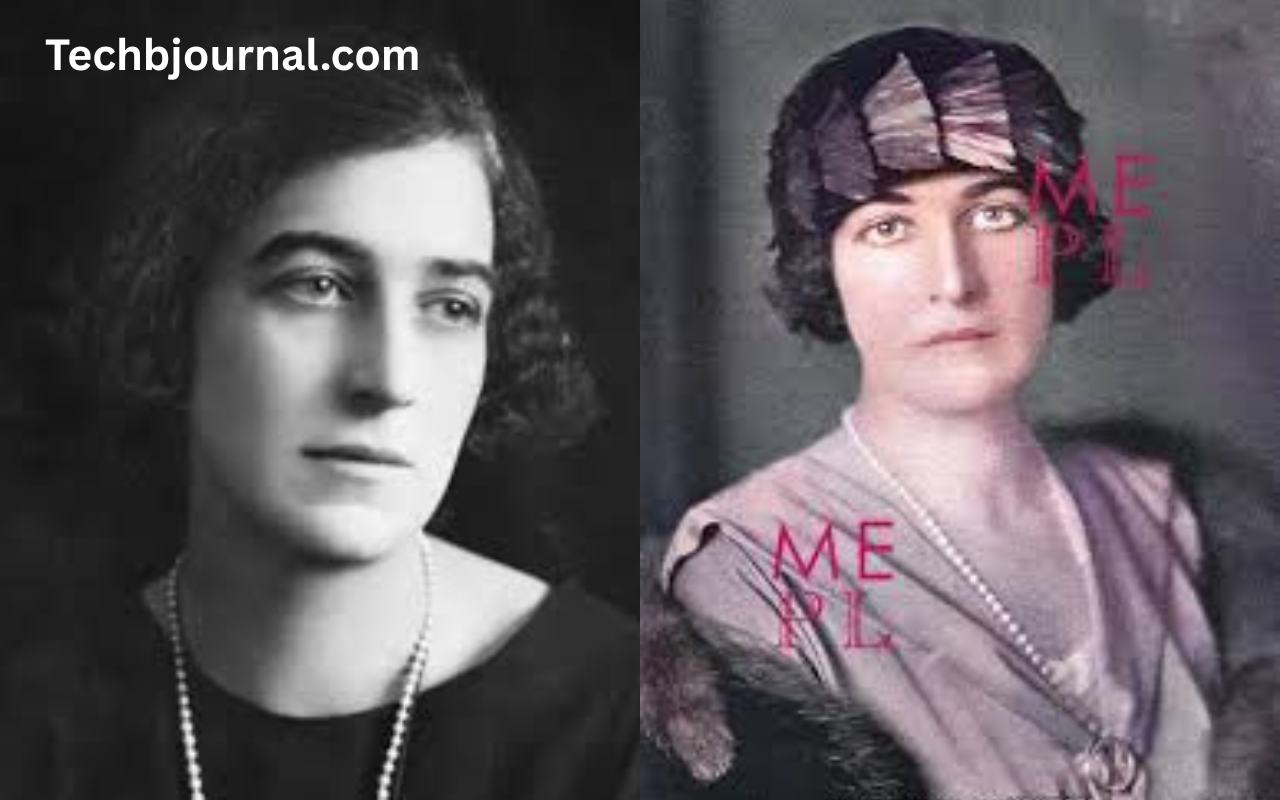
History often remembers kings, prime ministers, and military leaders, but sometimes the people standing quietly beside them leave an equally powerful mark. Venetia Stanley was one of those unforgettable figures. Though she never ruled a country or held political office, her name became permanently linked with one of Britain’s most important leaders—Prime Minister H. H. Asquith. Her intelligence, charm, and emotional influence made her one of the most talked-about women of Edwardian Britain.
Table of Contents
ToggleBorn into aristocratic privilege, Venetia Stanley lived in a world of political conversations, grand estates, and elite social circles. She was admired not only for her beauty and grace but also for her wit, education, and strong mind. She became a central figure in a fashionable group known as “The Coterie,” where aristocrats, thinkers, and socialites mixed freely. Her life reflected both glamour and serious personal depth.
What made Venetia truly extraordinary was the way she influenced events behind the scenes. Asquith wrote more than 560 letters to her between 1910 and 1915, sharing personal emotions, political concerns, and wartime anxieties. Those letters turned her from a private aristocrat into a permanent part of British political history. Yet her life was much more than one famous relationship—it included wartime nursing, marriage, motherhood, and a legacy that historians still discuss today.
Quick Facts About Venetia Stanley
| Full Name | Beatrice Venetia Stanley Montagu |
|---|---|
| Popular Name | Venetia Stanley |
| Birth Date | 22 August 1887 |
| Death Date | 3 August 1948 |
| Age at Death | 60 years |
| Nationality | British |
| Profession | Aristocrat, Socialite, War Nurse |
| Father | Edward Lyulph Stanley, 4th Baron Sheffield |
| Mother | Lady Mary Katharine Bell |
| Siblings | 3 brothers and 5 sisters |
| Spouse | Edwin Montagu |
| Children | Judith “Judy” Montagu |
| Famous For | Relationship and letters with H. H. Asquith |
| Social Circle | The Coterie |
| Net Worth | Aristocratic family wealth and inherited estates |
| Not applicable | |
| Twitter/X | Not applicable |
| Not applicable |
Early Life and Family Background
Venetia Stanley was born on 22 August 1887 into one of Britain’s respected aristocratic families. She was the youngest daughter of Edward Lyulph Stanley, the 4th Baron Sheffield and 4th Baron Stanley of Alderley. Her mother, Mary Katharine, came from another influential family and was the daughter of industrialist Sir Isaac Lowthian Bell. This background gave Venetia both wealth and access to Britain’s political elite from childhood.
Her father had served as a Liberal Member of Parliament before focusing on educational reform, so politics and public affairs were common topics at home. The family owned major estates including Alderley Park in Cheshire and Penrhos House in Anglesey. Growing up in such surroundings meant Venetia was raised with privilege, but also with exposure to ideas, responsibility, and serious public discussion.
She had several siblings, including brothers Arthur, Edward John, and Oliver Hugh, along with multiple sisters. Family life was lively, cultured, and socially active. Unlike many women of her generation who were expected to remain decorative figures in society, Venetia developed into someone known for intelligence and independence. That early environment shaped the confidence that later made her stand out in political and social circles.
Education and Personal Development
Venetia’s education was not the traditional university path available to modern women, but it was rich in literature, languages, and political awareness. She was classically educated, well-read, and known for thoughtful conversation. People around her often noticed that she had depth beyond the usual image of an aristocratic socialite. Asquith himself admired her intelligence and relied heavily on her judgment.
She read serious literature and enjoyed intellectual discussions rather than simply following fashion and gossip. Later accounts from family members described her reading authors like Dostoevsky and E. M. Forster, showing her literary interests were broad and serious. This intellectual side helped explain why powerful men found her such a compelling companion.
Venetia also learned the unwritten rules of influence—how to listen, how to observe, and how to make people feel understood. In elite British society, these skills were often more powerful than public speeches. She became someone whose presence mattered. Rather than chasing fame directly, she built quiet influence through intelligence, confidence, and emotional insight.
Life in “The Coterie” and Social Reputation
Venetia Stanley became a member of a famous Edwardian social circle known as “The Coterie.” This was a fashionable group of aristocrats, intellectuals, and socialites who dominated magazine profiles and society gossip during the 1910s. Their lives were glamorous, but they were also known for wit, political conversation, and cultural influence.
The group attended elegant dinners, country house weekends, treasure hunts, poker nights, and extravagant parties that often lasted until dawn. Newspapers loved writing about them because they represented privilege mixed with rebellion. They were admired, criticized, and endlessly discussed by the public. Venetia fit naturally into this world because she combined beauty with strong intelligence.
Her reputation inside this circle was not built only on charm. She was respected for being bright, articulate, and emotionally perceptive. Even those who underestimated her appearance often discovered her real power in conversation. This social environment became the stage where her connection with Prime Minister Asquith would grow and eventually become one of the most famous personal relationships in British political history.
Relationship with H. H. Asquith
Venetia first became close to H. H. Asquith through her friendship with his daughter, Violet Asquith. What began as family familiarity slowly turned into something much deeper. By 1912, Asquith had become emotionally attached to Venetia, and she became the person he trusted most outside official politics. Their bond was intense, personal, and highly controversial.
More than 560 of Asquith’s letters to Venetia survived, covering roughly 300,000 words. He wrote to her constantly—sometimes several times a day—even during Cabinet meetings and national crises. These letters included not only affection and romantic language but also political secrets, wartime concerns, and requests for advice. Historians describe them as one of the most remarkable self-revelations by a British prime minister.
During the months leading into the First World War, Asquith relied on her emotionally and intellectually. He consulted her on decisions and openly admitted that he had begun to depend on her judgment. Whether their relationship was fully physical remains debated, but there is no doubt that Venetia held unusual influence over one of the most powerful men in Britain.
Marriage to Edwin Montagu
While Asquith was deeply attached to Venetia, another important political figure was also in love with her—Edwin Montagu. Montagu was a Liberal politician, one of Asquith’s protégés, and a rising star in British government. He had admired Venetia for years and proposed marriage more than once before she finally accepted.
Their marriage in 1915 shocked many people and effectively ended Venetia’s emotional relationship with Asquith. Historical accounts show that Asquith was devastated by the news. He reportedly replied to her engagement announcement with heartbreaking honesty, writing that it “breaks my heart.” His emotional collapse became one of the most dramatic personal moments of his political life.
Marriage changed Venetia’s public identity. She became Venetia Montagu and entered a new phase focused on family and responsibility. She and Edwin had a daughter, Judith, often called Judy. Though the marriage itself had complexities, it marked her transition from famous socialite and political confidante into wife, mother, and mature public figure.
War Service and Nursing Career
One of the most admirable parts of Venetia Stanley’s life was her service during the First World War. Instead of remaining distant from wartime suffering, she chose to train as a nurse. On 6 January 1915, she began formal training at The London Hospital in Whitechapel as a paying probationer under Matron Eva Luckes.
After completing training, she joined as a VAD nurse at Lady Norman’s war hospital in Wimereux, France. She later worked with the British Red Cross Society and served in hospitals including Charing Cross and Rutland Hospitals. This work demanded discipline, emotional strength, and real commitment—qualities often ignored when people focus only on her society life.
Her nursing career revealed a more serious and compassionate side of her personality. She was not simply a glamorous aristocrat connected to politicians; she was someone willing to step into hospitals during wartime and face suffering directly. This service added dignity and depth to her public image and reflected the broader social change of women taking on active national roles.
Personal Life, Character, and Interests
Venetia Stanley was often described as bright, calm, and quietly magnetic. She was not the loudest person in a room, but people remembered her because she listened carefully and responded thoughtfully. Her emotional intelligence made powerful people feel understood, and that quality became one of her greatest strengths.
She loved literature, serious conversation, and intellectual companionship. Unlike the stereotype of the shallow socialite, Venetia had a reflective personality and enjoyed private thought as much as public gatherings. She balanced the excitement of elite society with an inner life shaped by reading, observation, and personal discipline.
Her relationships also show a woman determined to make her own choices. She was admired, pursued, and often judged, but she remained independent in how she lived. Whether choosing marriage, ending difficult emotional ties, or stepping into wartime service, Venetia showed that personal strength often exists quietly rather than dramatically.
Net Worth and Financial Life
Because Venetia Stanley lived in the early twentieth century, there is no exact modern net worth figure attached to her name. However, she belonged to significant aristocratic wealth from birth. Her family owned estates, titles, and social influence that provided lifelong financial security and elite status.
Her father’s inheritance included major landholdings and peerage privileges, which placed the family among Britain’s upper class. Later, her marriage to Edwin Montagu connected her to another wealthy and influential political family. Financially, her life was built on inherited privilege rather than personal business ventures or professional income.
If converted into modern terms, her wealth would likely be considered substantial, especially when measured through land, access, and family legacy rather than direct cash. Still, her true legacy was never about money. She is remembered more for emotional influence, historical importance, and the role she played behind the scenes of British politics.
Legacy and Historical Importance
Venetia Stanley’s legacy has grown stronger with time. For many years, she was remembered mainly as the woman who received love letters from a prime minister. Today, historians increasingly view her as far more than that—as an intelligent political confidante whose private influence mattered during one of Britain’s most fragile periods.
The publication of Asquith’s letters and renewed historical interest have helped restore her importance. Writers like Robert Harris revisited her story in recent years, especially through the 2024 novel Precipice, which brought new attention to her role during World War I. Modern historians argue that Venetia deserves recognition not simply as a romantic figure, but as a woman whose judgment shaped national conversations.
Her story also represents something larger—the hidden influence of women in history. She reminds readers that not all power is public. Some of the most important decisions in history are shaped in private letters, trusted conversations, and emotional connections. That truth makes her story feel surprisingly modern even today.
Conclusion
Venetia Stanley lived a life that proves influence does not always come with titles or public office. She was an aristocrat, a socialite, a nurse, a wife, and a mother—but above all, she was a woman whose intelligence and presence shaped the people around her. Her relationship with H. H. Asquith may have made her famous, but her depth and character are what made her unforgettable.
From her early life in a noble family to her place at the center of British political history, Venetia’s journey reflects both privilege and personal courage. She chose service during wartime, handled intense public attention with dignity, and lived according to her own judgment rather than society’s expectations.
As Venetia Stanley continues to inspire historians and readers, her story stands as a reminder that resilience, intelligence, and emotional strength can shape history in powerful ways. As Venetia Stanley paved the way for future generations, her life remains proof that purpose and quiet influence can create a lasting and meaningful legacy.